Posted on: 10/1/2026

Fall rain has a way of exposing worn wiper blades quickly. A windshield that looked fine through a dry summer can suddenly become streaky, hazy, or difficult to see through once the weather turns wet. Wiper blades spend months dealing with sunlight, heat, dust, road grime, and temperature changes. By fall, the rubber can already be hardened or damaged even if the blades still look decent from outside the car. Before the rainy season settles in, it is worth checking whether they are still clearing the glass properly. Streaks Are One of the First Signs of Wiper Wear A good wiper should leave a clean path across the windshield without repeated lines of water behind it. Once the rubber edge becomes worn, dirty, or hardened, streaks start appearing. A few light streaks can sometimes come from dirt on the blade or windshield. Cleaning both surfaces can tell you a lot. If the same streaks return immediately after cleaning, the rubber edge is probably no longer making even ... read more
Posted on: 9/1/2026
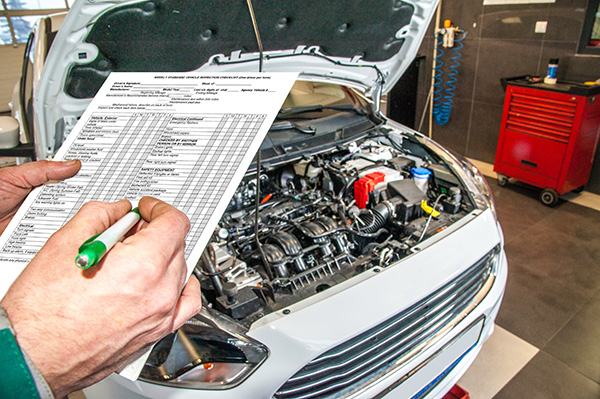
Reaching 100,000 miles does not mean a vehicle is nearing the end of its useful life. Many cars continue well beyond that point when fluids are replaced on schedule, wear items are checked consistently, and small problems are repaired before they affect larger systems. The odometer alone does not determine what needs service. The correct plan depends on the manufacturer’s schedule, previous repair records, vehicle age, engine design, drivetrain, and driving conditions. At this mileage, technicians pay closer attention to parts affected by years of heat, vibration, pressure, and repeated use. Review All Major Fluid Services By 100,000 miles, several fluids may be due or overdue if they have never been replaced. Engine coolant, transmission fluid, brake fluid, differential oil, transfer case fluid, and hydraulic power steering fluid on equipped vehicles all have separate service requirements. Old fluid loses protective additives and collects moisture, heat-rela ... read more
Posted on: 8/20/2026
Don't Panic... Your Vehicle Is Simply Asking for Attention Few dashboard lights create as much anxiety as the check engine light. Maybe it came on during your commute to work. Maybe it's been on for a few days and your vehicle still seems to drive normally. Or maybe it started flashing unexpectedly, leaving you wondering if it's safe to keep driving. The good news is that a check engine light doesn't automatically mean your engine is failing or that you're facing an expensive repair. It's simply your vehicle's way of telling you that one of its systems has detected something operating outside of normal conditions. The challenge is figuring out why. What Does a Check Engine Light Actually Mean? Modern vehicles constantly monitor their own performance using dozens of sensors and onboard computers. When one of those systems detects a problem, it stores a Diagnostic Trouble Code (DTC) and turns on the check engine light. Many people assume that code tell ... read more
Posted on: 8/20/2026
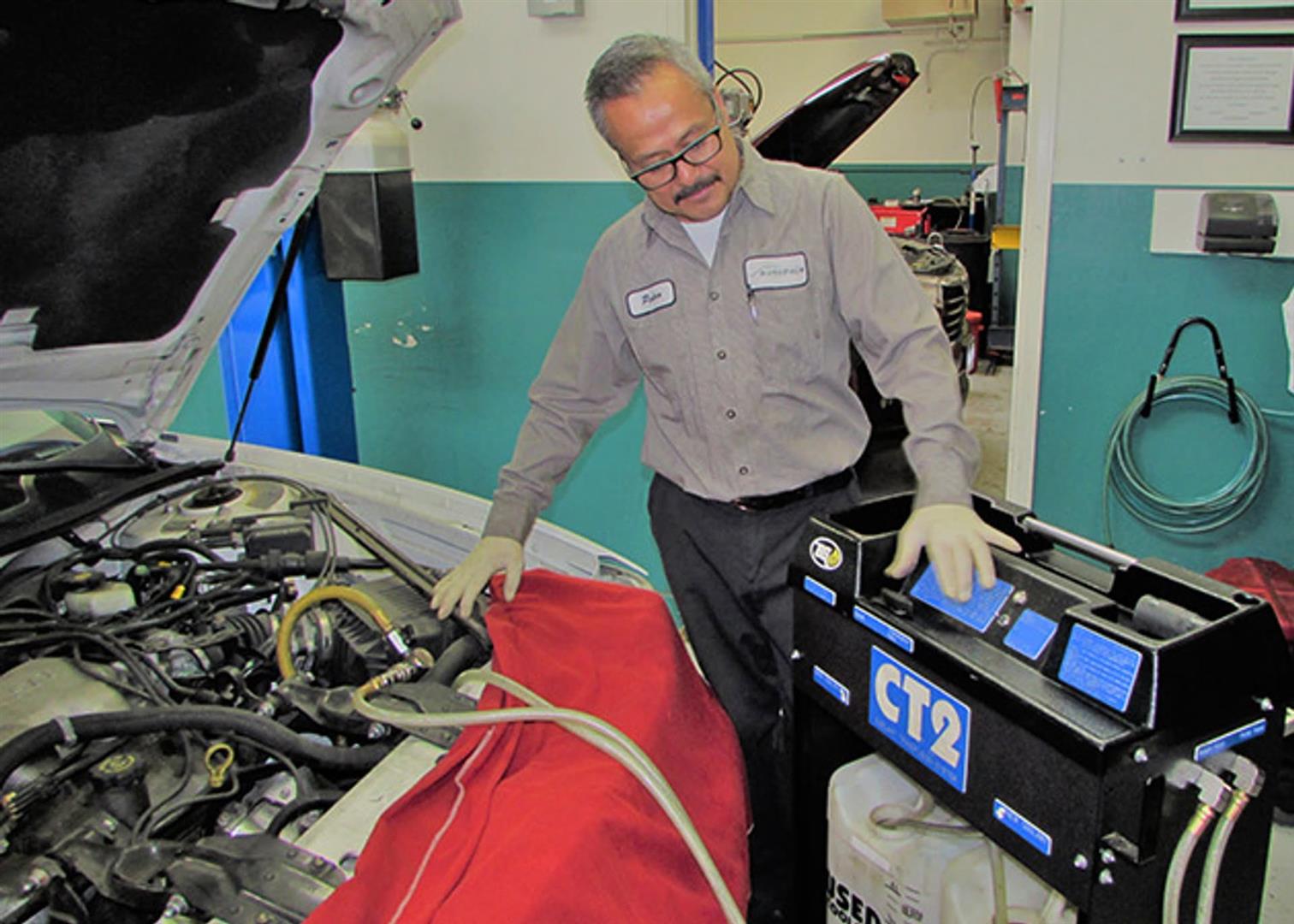
Your Check Engine Light Is Only the Beginning A warning light comes on. Your vehicle starts making an unusual noise. Maybe it doesn't feel quite right on your morning commute. Like most people, your first thought is probably, "I just want to know what's wrong." We understand. Car trouble is stressful enough without adding uncertainty to the mix. One of the most common questions we hear is, "Why does a diagnostic cost money?" It's a fair question, especially when it can seem like all someone has to do is plug a scanner into your vehicle and read a code. The reality is that modern vehicle diagnostics are far more involved... and getting the right answer the first time can save you hundreds or even thousands of dollars in unnecessary repairs. Reading a Code Isn't the Same as Diagnosing a Vehicle One of the biggest misconceptions about today's vehicles is that a scan tool tells us exactly what's broken. It doesn't. A diagnostic troubl ... read more
Posted on: 8/20/2026
How to Make Smart Auto Repair Decisions Without Feeling Pressured If you've ever walked out of an auto repair shop wondering whether you really needed the repairs that were recommended, you're not alone. Most people don't work on vehicles every day, and when a repair estimate includes unfamiliar terms or unexpected costs, it's completely normal to feel uncertain. At Aurora AutoPros, we believe every customer deserves the time, information, and transparency needed to make confident decisions about their vehicle. Our job isn't to pressure you into repairs...it's to help you understand what's happening, explain your options, and answer your questions so you can decide what's best for you, your family, and your budget. It's Okay to Ask Questions A good repair shop should never make you feel rushed or uncomfortable for asking questions. In fact, we encourage it. If you're unsure why a repair is being recommended, ask your Service Advisor or techn ... read more
Posted on: 8/20/2026
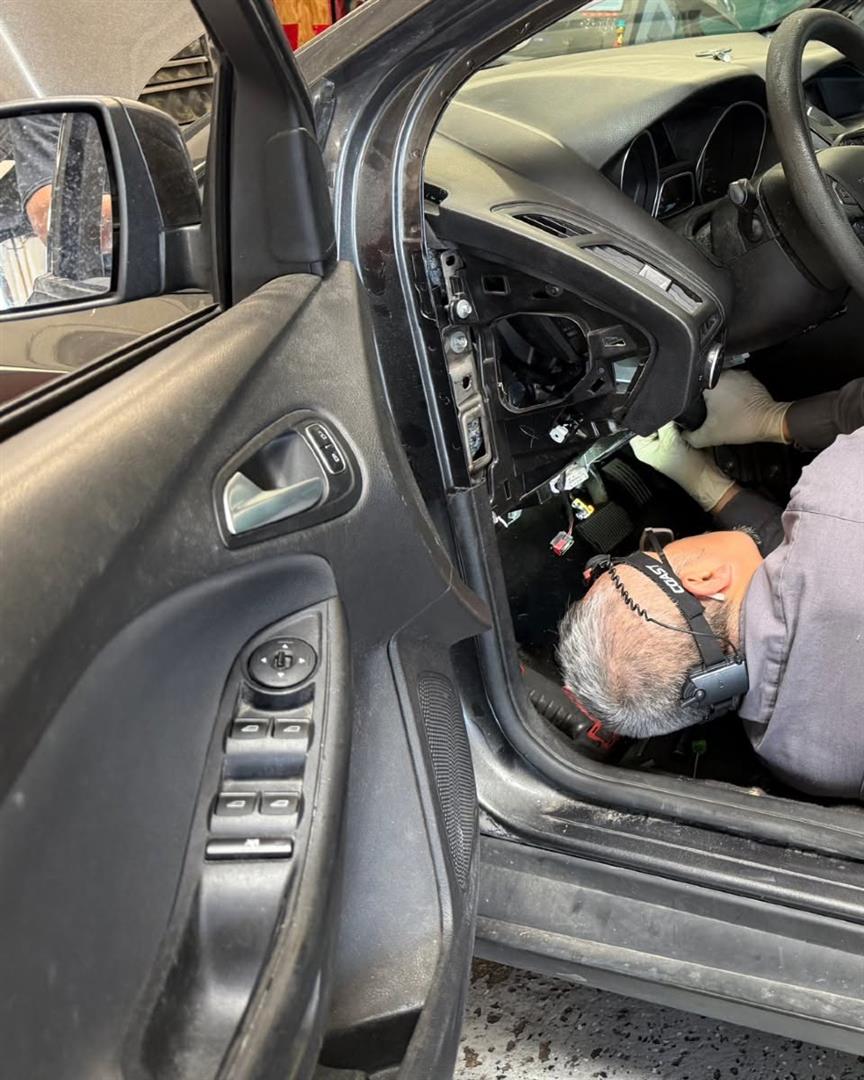
Not Every Repair Shop Offers The Same Service If you've ever called two repair shops and received two very different estimates for what seems like the same repair, you're not alone. It's one of the most common questions we hear, and it's a fair one. The truth is, every repair shop has different priorities. Some focus on being the lowest price. Others focus on being the fastest. At Aurora AutoPros, we've chosen to focus on something different... earning your trust through quality, transparency, and repairs that are done right the first time. Your safety and the safety of our community is our number one goal. We look at this through a holistic lens, too. We help you prioritize repairs if you’re strapped on cash, we offer financing, and we’re always someone to lean on when you aren’t sure what step should come next. You're Not Just Paying for a Part It's easy to look at a repair estimate and see a replacement part. What you don ... read more
Posted on: 8/1/2026
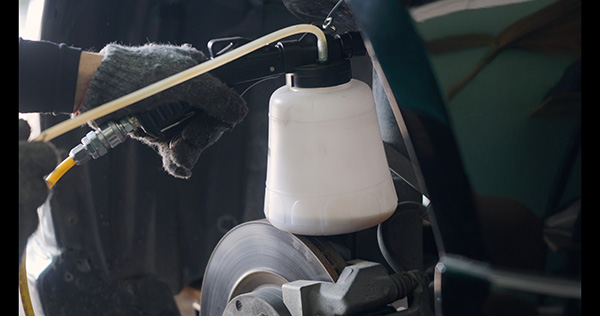
Brake fluid is easy to forget because it works quietly. You press the brake pedal, the vehicle stops, and everything seems normal. If the brakes are not grinding, pulling, or lighting up the dashboard, it can feel strange to think about brake fluid service. That is why brake flush questions come up so often. Drivers wonder whether it is really needed if the brakes still work fine. The answer is yes, brake fluid can need service before the pedal feels bad. Brake fluid ages inside the system, and by the time symptoms show up, moisture and contamination may already be affecting expensive brake parts. What Brake Fluid Actually Does Brake fluid transfers force from your foot at the pedal to the brakes at the wheels. When you press the pedal, hydraulic pressure moves through brake lines and hoses to the calipers or wheel cylinders. That pressure helps the pads or shoes create the friction needed to stop the vehicle. Brake fluid also has to handle heat. Braking creates hi ... read more
Posted on: 7/1/2026
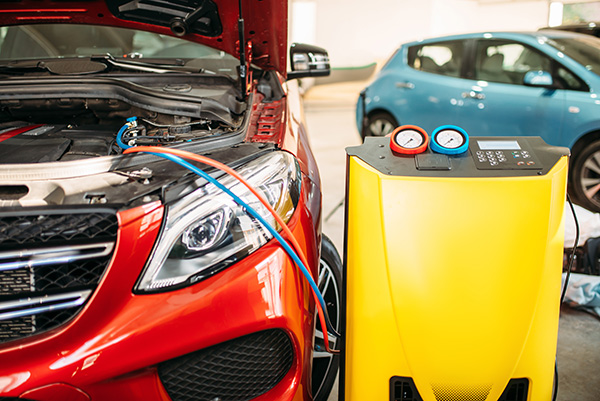
Car A/C problems have a way of showing up right when you need cold air most. One day the system feels fine, then the next drive takes longer to cool down, blows warm at stoplights, or starts making a noise you did not hear before. Since the vents still move air, many drivers give it more time than they should. That delay can make the repair harder. Automotive A/C systems use refrigerant, pressure, sensors, fans, valves, electrical controls, and moving parts that all have to work together. When one part starts falling behind, the system usually gives a few clues before it stops cooling completely. 1. Weak Airflow From The Vents Weak airflow is different from warm air. The air may still feel cool, but it does not come out of the vents with the force it used to. That can make the cabin take much longer to cool, especially after the car has been sitting in the sun. A clogged cabin air filter is a common cause and one of the easier to correct. Blower motor issues, elect ... read more
Posted on: 7/1/2026

We’re in the dog days of summer now, which has me thinking about…well, dogs. Your furry four legged friend needs your vehicle to work safely JUST as much as you do. Without it, how would they get to the dog park? How in the world would they get their pup cups? And how would they get to the v-e-t? We get dog owners because we are all dog owners. Don’t worry about the fur or the toys in the backseat, we’re used to it. Get out there and adventure with your canine companion, just make sure to get your vehicle checked before you head out too far. Happy work anniversary Pedro – 8 years of having you on our team is a big deal! Thank you for sticking with us for all of these years! 😊 June A/C Special R-134 Air Conditioning Check – $89.99 Or $50.00 off on R-1234yf A/C Systems Test & Record Vent Temperature | Inspect Components For Visible Leaks | Gauge & Record Freon Pre ... read more
Posted on: 6/1/2026
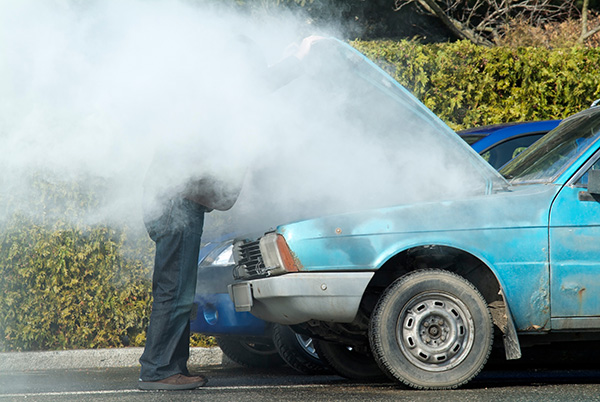
An overheating engine rarely feels like a small issue. The temperature gauge climbs, warning lights may come on, and the car starts behaving differently. Some drivers try to wait it out or hope it was just a one-time situation, especially if the car cools down after a short break. In reality, overheating is usually a sign that something in the cooling system is not doing its job. The radiator is often at the center of that problem, and delaying repairs can lead to much more serious engine damage. The Radiator’s Role in Controlling Engine Temperature The radiator removes heat from the coolant after it circulates through the engine. As coolant absorbs heat, it flows into the radiator, where airflow helps lower the temperature. When the radiator is not working efficiently, heat stays in the system longer than it should. Even if everything else is functioning properly, that imbalance can quickly lead to elevated engine temperatures during normal driving ... read more