Brake fluid is easy to forget because it works quietly. You press the brake pedal, the vehicle stops, and everything seems normal. If the brakes are not grinding, pulling, or lighting up the dashboard, it can feel strange to think about brake fluid service.
That is why brake flush questions come up so often. Drivers wonder whether it is really needed if the brakes still work fine. The answer is yes, brake fluid can need service before the pedal feels bad. Brake fluid ages inside the system, and by the time symptoms show up, moisture and contamination may already be affecting expensive brake parts.
What Brake Fluid Actually Does
Brake fluid transfers force from your foot at the pedal to the brakes at the wheels. When you press the pedal, hydraulic pressure moves through brake lines and hoses to the calipers or wheel cylinders. That pressure helps the pads or shoes create the friction needed to stop the vehicle.
Brake fluid also has to handle heat. Braking creates high temperatures, especially in traffic, mountain driving, towing, or repeated stops. The fluid must remain stable and resist boiling to keep the pedal firm and predictable.
If the fluid is clean and healthy, the brake system can build pressure properly. If the fluid is old, wet, dirty, or contaminated, the system may still work during easy driving but have less safety margin when the brakes get hot.
Why Brake Fluid Gets Old
Brake fluid absorbs moisture over time. Even though the brake system is sealed, it is not perfectly isolated from air and temperature changes. Moisture can slowly enter through hoses, seals, reservoir vents, and service openings.
As moisture collects in the fluid, the boiling point drops. That means the fluid can boil sooner under heavy braking. When fluid boils, vapor can form in the brake lines. Vapor compresses, and that can make the brake pedal feel soft, long, or spongy.
Moisture also encourages corrosion inside brake components. Calipers, master cylinders, ABS hydraulic units, brake lines, and internal passages all depend on clean fluid. A brake flush helps remove old fluid before it damages parts you cannot easily see.
Brakes Can Feel Normal Until They Do Not
One reason brake fluid service is delayed is that old fluid may not always cause symptoms right away. Your brakes may feel normal during short trips, gentle stops, and daily errands. The problem may only show up when the system is under more stress.
That can happen during hard braking, downhill driving, repeated stops, or hot weather. The pedal may suddenly feel softer than usual, travel farther, or feel less consistent. At that point, the fluid may already be past its useful life.
Good brake service is about preventing that surprise. A flush is not always recommended because something feels broken today. It may be recommended because the fluid is old or contaminated, and waiting is no longer advisable.
What A Brake Flush Removes
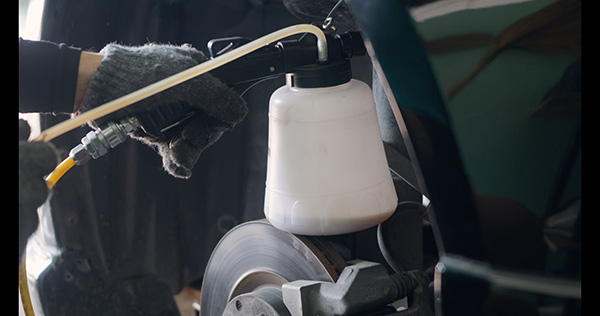
A brake flush removes old brake fluid from the system and replaces it with fresh fluid that meets the vehicle’s requirements. The goal is to clear out moisture, dirt, degraded fluid, and contamination from the hydraulic system.
This is different from simply topping off the reservoir. Topping off adds fluid to what is already there. It does not remove old fluid from the lines, calipers, ABS unit, or other hydraulic areas.
A proper brake fluid service should use the correct fluid type and the right bleeding procedure. Some vehicles may require a scan tool or specific steps to properly move fluid through ABS components.
Signs Brake Fluid May Need Service
Brake fluid can be overdue even without obvious symptoms, but there are warning signs that should not be ignored. Watch for clues like:
- Soft brake pedal
- Pedal travels farther than normal
- Brake warning light
- Fluid looks dark or dirty
- Brake fluid level drops
- Brakes feel weaker after repeated stops
- Service history is unknown
- Recent brake hydraulic repair
These signs can also point toward leaks, worn brake parts, hose problems, or master cylinder issues. That is why an inspection should precede assuming that fluid alone will solve the problem.
Brake Fluid Service Protects Other Brake Parts
Old brake fluid can shorten the life of brake components. Moisture and contamination can corrode metal parts and damage seals. Once corrosion develops inside the hydraulic system, repairs can become much more expensive than a fluid service.
Calipers can stick. Brake lines can corrode. ABS components can become affected by dirty fluid. A master cylinder can lose proper sealing. These problems are not always caused only by fluid age, but neglected fluid can contribute to them.
Regular maintenance helps catch brake fluid issues before they turn into hydraulic failures. It also gives the shop a chance to check pads, rotors, calipers, hoses, leaks, and pedal feel at the same time.
So, Is A Brake Flush Necessary?
A brake flush is necessary when the fluid is old, contaminated, or moisture-heavy, or when required by the vehicle’s maintenance schedule. It may also be needed after certain brake repairs, especially if hydraulic parts were opened or replaced.
The fact that your brakes still work does not automatically mean the fluid is healthy. Brake fluid is a preventive service item. Like coolant or transmission fluid, it can look fine on the outside while slowly losing its protective properties inside the system.
The best answer depends on the vehicle, fluid condition, service history, and how the brakes feel. Testing and inspection can show whether service is due.
Get Brake Flush Service In Aurora, CO, With Aurora AutoPros
If your brake fluid is overdue, dark, contaminated, or you are not sure when it was last serviced, Aurora AutoPros in Aurora, CO, can inspect the brake system and explain whether a brake flush is needed.
For brake flush service that helps protect stopping performance and hydraulic brake parts, contact us to schedule an appointment.