Posted on: 9/1/2026
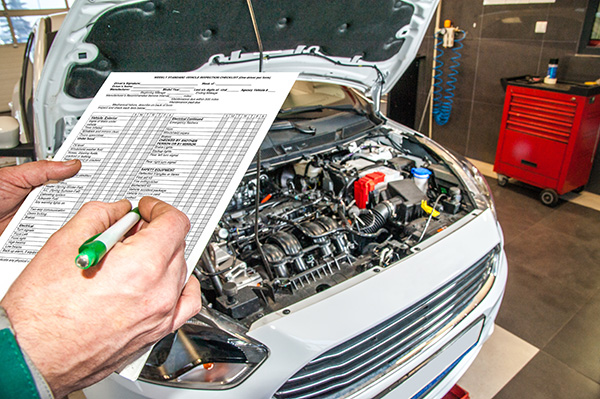
Reaching 100,000 miles does not mean a vehicle is nearing the end of its useful life. Many cars continue well beyond that point when fluids are replaced on schedule, wear items are checked consistently, and small problems are repaired before they affect larger systems. The odometer alone does not determine what needs service. The correct plan depends on the manufacturer’s schedule, previous repair records, vehicle age, engine design, drivetrain, and driving conditions. At this mileage, technicians pay closer attention to parts affected by years of heat, vibration, pressure, and repeated use. Review All Major Fluid Services By 100,000 miles, several fluids may be due or overdue if they have never been replaced. Engine coolant, transmission fluid, brake fluid, differential oil, transfer case fluid, and hydraulic power steering fluid on equipped vehicles all have separate service requirements. Old fluid loses protective additives and collects moisture, heat-rela ... read more
Posted on: 8/20/2026
Don't Panic... Your Vehicle Is Simply Asking for Attention Few dashboard lights create as much anxiety as the check engine light. Maybe it came on during your commute to work. Maybe it's been on for a few days and your vehicle still seems to drive normally. Or maybe it started flashing unexpectedly, leaving you wondering if it's safe to keep driving. The good news is that a check engine light doesn't automatically mean your engine is failing or that you're facing an expensive repair. It's simply your vehicle's way of telling you that one of its systems has detected something operating outside of normal conditions. The challenge is figuring out why. What Does a Check Engine Light Actually Mean? Modern vehicles constantly monitor their own performance using dozens of sensors and onboard computers. When one of those systems detects a problem, it stores a Diagnostic Trouble Code (DTC) and turns on the check engine light. Many people assume that code tell ... read more
Posted on: 8/20/2026
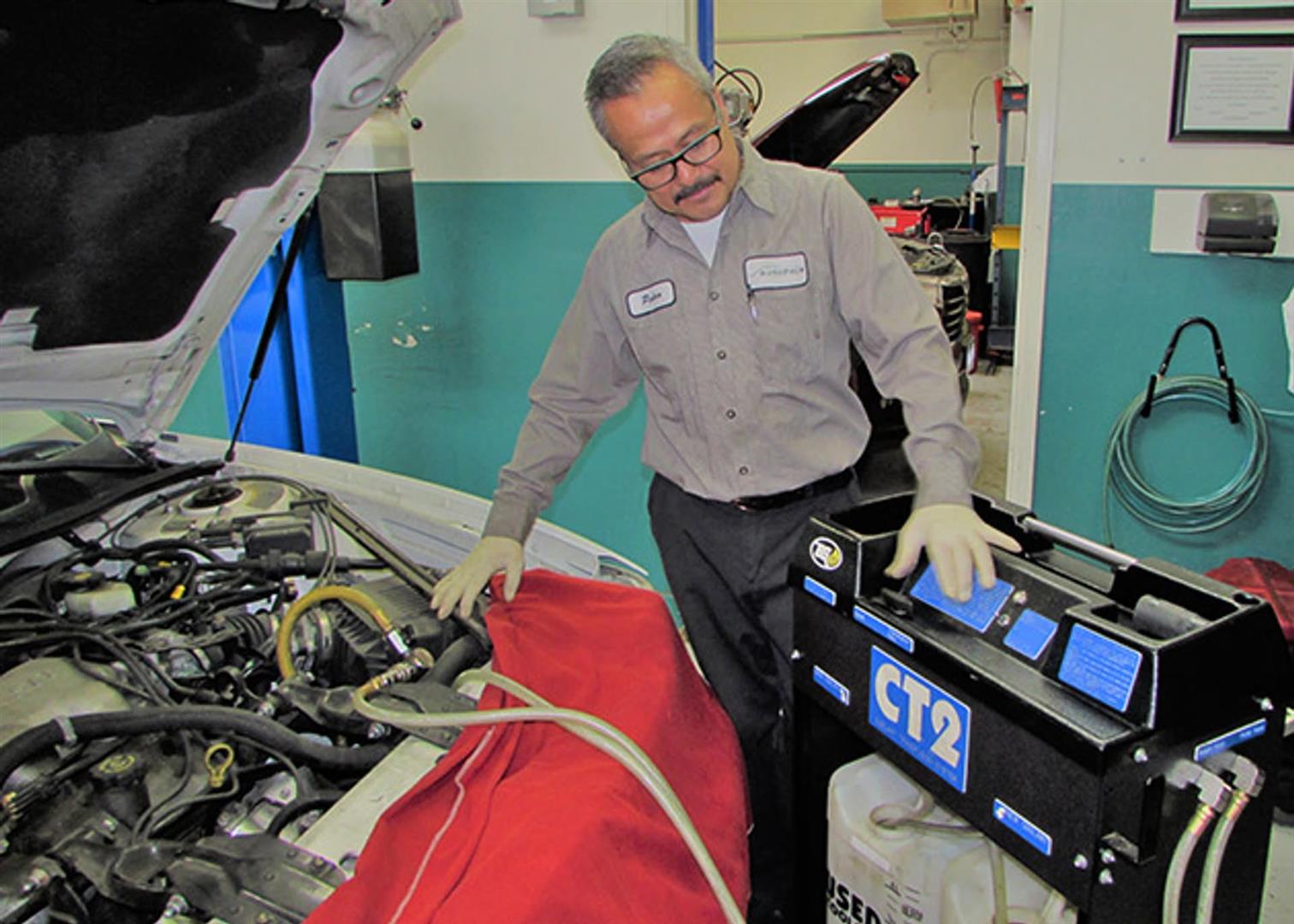
Your Check Engine Light Is Only the Beginning A warning light comes on. Your vehicle starts making an unusual noise. Maybe it doesn't feel quite right on your morning commute. Like most people, your first thought is probably, "I just want to know what's wrong." We understand. Car trouble is stressful enough without adding uncertainty to the mix. One of the most common questions we hear is, "Why does a diagnostic cost money?" It's a fair question, especially when it can seem like all someone has to do is plug a scanner into your vehicle and read a code. The reality is that modern vehicle diagnostics are far more involved... and getting the right answer the first time can save you hundreds or even thousands of dollars in unnecessary repairs. Reading a Code Isn't the Same as Diagnosing a Vehicle One of the biggest misconceptions about today's vehicles is that a scan tool tells us exactly what's broken. It doesn't. A diagnostic troubl ... read more
Posted on: 8/20/2026
Not Every Repair Shop Offers The Same Service If you've ever called two repair shops and received two very different estimates for what seems like the same repair, you're not alone. It's one of the most common questions we hear, and it's a fair one. The truth is, every repair shop has different priorities. Some focus on being the lowest price. Others focus on being the fastest. At Aurora AutoPros, we've chosen to focus on something different... earning your trust through quality, transparency, and repairs that are done right the first time. Your safety and the safety of our community is our number one goal. We look at this through a holistic lens, too. We help you prioritize repairs if you’re strapped on cash, we offer financing, and we’re always someone to lean on when you aren’t sure what step should come next. You're Not Just Paying for a Part It's easy to look at a repair estimate and see a replacement part. What you don ... read more
Posted on: 12/1/2024

Understanding Tire Pressure: A Crucial Element for December Driving As December arrives, colder temperatures can significantly affect your vehicle's tire pressure. Correct tire pressure is essential for safety, fuel efficiency, and overall vehicle performance. Cold weather can cause tire pressure to drop, leading to underinflated tires that can reduce traction and increase the risk of accidents. Understanding how to manage tire pressure during winter is crucial for safe driving. This blog will explore the importance of tire pressure, how to check and maintain it, and why it matters, especially during winter. For expert tire services, schedule an appointment with Aurora AutoPros. The Importance of Tire Pressure Proper tire pressure ensures that your tires maintain optimal contact with the road, critical for traction, handling, and braking. Underinflated tires can cause poor vehicle handling and increase the risk of blowouts. During winter, road conditio ... read more
Posted on: 10/1/2024

As temperatures drop in October, your car battery might struggle to keep up. Cold weather can significantly impact battery performance, leading to unexpected breakdowns. Recognizing the signs of a failing battery can save you from inconvenient and costly issues. A weak battery is less efficient in cold weather, reducing its ability to start your vehicle. This can lead to longer cranking times and potential no-start situations. In this blog, we will discuss common signs of a failing battery and provide tips on ensuring your battery is winter-ready. For professional help, schedule an appointment with Aurora AutoPros. Why Cold Weather Affects Car Batteries Cold weather affects car batteries by slowing down the chemical reactions required to generate power. This reduces the ability to hold a charge and produce enough current to start the engine. &nb ... read more
Posted on: 9/1/2024

Expert oil changes in Aurora at Aurora AutoPros! Understanding the role of engine oil, the unsung hero of your vehicle, can significantly impact your vehicle's performance and reassure you about its longevity. Engine oil is crucial for lubricating the engine, reducing friction, and preventing wear. It also helps cool the engine and keep it clean by suspending dirt and particles. In this blog, we will explore the various types of engine oil, their benefits, and how they affect your vehicle's performance. If you need professional assistance, schedule an appointment with Aurora AutoPros. Types of Engine Oil Engine oil comes in several types: conventional, synthetic, and high-mileage. Each type has unique properties that cater to different engine needs. Conventional Oil: Ideal for light-duty, late-model cars with low to average mileage. Synthetic Oil: Offers superior protection and performance, especially in extreme tempera ... read more
Posted on: 8/1/2024

As the August heat blazes on, ensuring your car's air conditioning (A/C) system is in top-notch condition becomes essential. At Aurora AutoPros, we often receive questions about vehicle A/C systems, especially during the hotter months. Here, we address some of the most frequently asked questions to help you stay cool and comfortable on the road. How Does My Car's A/C System Work? Your car's A/C system operates similarly to a refrigerator, using refrigerant to absorb heat and release cool air. The key components include the compressor, condenser, evaporator, and expansion valve. The compressor pumps the refrigerant and circulates it through the system. The condenser converts the refrigerant from a gas to a liquid, releasing heat. The evaporator absorbs heat from the car's interior and cools the air, and the expansion valve controls the flow of refrigerant into the evaporator. When these components work together sea ... read more
Posted on: 7/1/2024

Photo by Anja On Unsplash Embarking on a road trip is an exciting adventure, and with the right knowledge, you can take control of your vehicle's fuel efficiency. Long distances, varied terrains, and unpredictable driving conditions can all contribute to increased fuel consumption. But fear not, here are some practical tips to empower you to get the most miles out of every gallon on your next road trip, especially if you're setting out from Aurora and exploring the beautiful landscapes of Colorado. 1. Plan Your Route Wisely One of the simplest ways to save fuel is by planning your route in advance. Use GPS apps that provide real-time traffic updates and suggest the most fuel-efficient routes. Avoiding traffic jams, road construction, and unnecessary detours can significantly reduce fuel consumption. For those traveling through the Denver metr ... read more
Posted on: 5/1/2024

What Is the Impact of Spring Weather on Your Brakes? As winter's cold embraces spring's warmth, many of us eagerly anticipate the blossoming of flowers, the return of birdsong, and the chance to roll down our windows and feel the breeze. However, amidst the excitement of spring, it's crucial not to overlook the impact that this change in weather can have on our vehicles, particularly on one of the most critical components–our brakes. At Aurora AutoPros, we understand the importance of keeping your vehicle safe and roadworthy throughout the year, and we are here to shed light on how spring weather affects your brakes and what steps you can take to ensure they remain in optimal condition. Understanding the Impact The seasonal changes in the spring can affect how well your brakes perform. One of the most significant fa ... read more