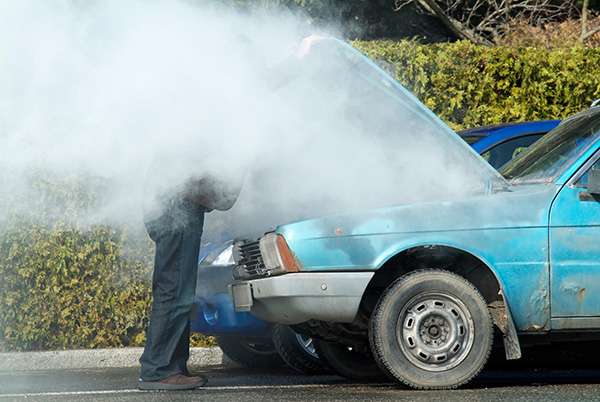
An overheating engine rarely feels like a small issue. The temperature gauge climbs, warning lights may come on, and the car starts behaving differently. Some drivers try to wait it out or hope it was just a one-time situation, especially if the car cools down after a short break.
In reality, overheating is usually a sign that something in the cooling system is not doing its job. The radiator is often at the center of that problem, and delaying repairs can lead to much more serious engine damage.
The Radiator’s Role in Controlling Engine Temperature
The radiator removes heat from the coolant after it circulates through the engine. As coolant absorbs heat, it flows into the radiator, where airflow helps lower the temperature.
When the radiator is not working efficiently, heat stays in the system longer than it should. Even if everything else is functioning properly, that imbalance can quickly lead to elevated engine temperatures during normal driving.
Internal Blockage Can Reduce Cooling Efficiency
Over time, radiators can develop internal buildup from rust, debris, and degraded coolant. These deposits restrict the flow of coolant through the system, which limits how effectively heat can be transferred.
You may not notice this right away. The car might run fine most of the time, but under stress, such as in traffic or warm weather, the cooling system struggles to keep up. That is often when overheating begins to show.
Leaks Allow Coolant to Escape
Radiators are exposed to heat, pressure, and constant temperature changes. Eventually, small cracks or weak points can develop, leading to coolant leaks.
Even a slow leak can cause problems. As coolant levels drop, the system loses its ability to properly regulate temperature. What starts as a minor drip can turn into a situation where the engine overheats more frequently.
Airflow Problems Affect Heat Dissipation
The radiator relies on airflow to remove heat. If airflow is restricted, cooling efficiency drops. This can happen if debris blocks the front of the radiator or if the fins are bent or damaged.
Cooling fans also play a role, especially at low speeds. If airflow is not consistent, heat builds up more quickly, particularly when the vehicle is idling or moving slowly.
Overheating Can Lead to Engine Damage Quickly
Once the engine begins to overheat, the risk of damage increases. High temperatures can cause metal components to expand beyond their limits, affecting seals, gaskets, and internal parts.
In more severe cases, overheating can lead to warped components or head gasket failure. These are far more involved repairs compared to addressing a radiator issue early.
Temporary Fixes Do Not Solve the Root Problem
It can be tempting to add coolant and continue driving, especially if the temperature returns to normal for a while. While this may help in the short term, it does not address the underlying issue.
If the radiator is leaking, clogged, or not functioning correctly, the problem will return. Each overheating event places additional stress on the engine.
Regular Maintenance Helps Prevent Radiator Problems
Cooling system service is an important part of regular maintenance. Flushing old coolant and replacing it at the right intervals helps prevent buildup inside the radiator.
An inspection can also identify early signs of wear, such as small leaks or restricted flow. Addressing these issues early helps maintain proper cooling performance.
When to Schedule a Radiator Inspection
If your temperature gauge is rising more than usual, you notice coolant loss, or the car overheats in traffic, it is time to have the system checked. Even if the problem seems occasional, it should not be ignored.
Catching a radiator issue early can prevent more serious engine damage and keep your vehicle operating safely.
Get Radiator Repair In Aurora, CO, With Aurora AutoPros
If your vehicle is overheating or showing signs of cooling system trouble, Aurora AutoPros in Aurora, CO, can inspect your radiator and find the cause before it leads to costly engine damage.
Call today to schedule your appointment and keep your engine running at the proper temperature.