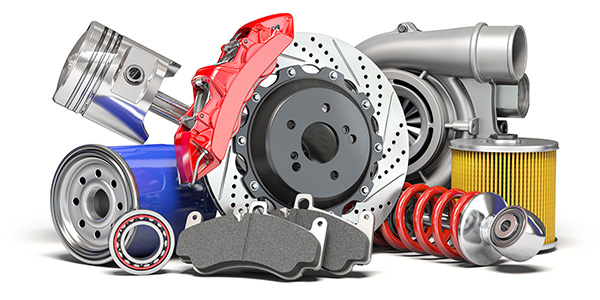
When most people think about “car safety,” they picture brakes, tires, maybe airbags. Those are big ones, sure. But in the day-to-day, safety usually comes down to something less dramatic: whether your vehicle does what you expect it to do, every time you drive it. Starts reliably, steers predictably, stops straight, and doesn’t surprise you with a sudden warning light or weird vibration on the highway.
That’s the standard we aim for with the parts we choose and the way we service your vehicle.
What Quality Parts Means for Real-World Safety
Quality parts are not just about a brand name or a higher price tag. The part has to fit correctly, function correctly, and hold up under heat, vibration, and time. A slightly off-spec brake pad can create noise at first, then uneven wear, then longer stopping distances. A cheap suspension component might feel fine for a month, then develop play that turns into wandering steering or tire wear that chews through a set of tires early.
We look at quality as a match between the part and the job. Sometimes that means OEM, sometimes it means a high-quality aftermarket manufacturer that meets or exceeds the original design. The point is consistency. When a part behaves predictably, the car behaves predictably, and that is where safety lives.
The Safety Chain and How One Weak Part Can Stress Everything Around It
Cars are systems, and a weak link rarely stays isolated. A worn engine mount can let the drivetrain shift more than it should, which can stress exhaust connections, CV joints, or even cause a clunk that makes the driver second-guess what the vehicle is doing. A failing alternator doesn’t only risk a no-start. It can cause voltage drops that make modules act up, lights flicker, and critical sensors send unreliable signals.
This is why we pay attention to “connected” wear. If we’re replacing a water pump, we’re paying attention to belt condition and tensioner operation. If we’re servicing brakes, we’re looking at caliper movement, hose condition, and fluid quality. Safe repairs are rarely one-part repairs.
How Good Service Practices Reduce Comebacks and Prevent Roadside Surprises
A big part of safe service is what you don’t see. Proper torque specs, cleaning mating surfaces, using the right lubricants in the right places, and taking the time to verify a repair after it’s done. A wheel that’s torqued incorrectly can warp a brake rotor or work loose. A gasket surface that isn’t prepped correctly can seep again even with a brand-new gasket. These aren’t “bad luck” issues, they’re process issues.
We’ve seen how small shortcuts create big headaches later, so we build our service around careful steps. That means confirming the concern, inspecting beyond the obvious, and validating the fix with a road test or system checks when appropriate. It’s not about making things complicated. It’s about making things dependable.
Symptom Timeline: What Starts Small Can Turn Into a Safety Problem
A lot of safety-related failures don’t happen instantly. They usually give you a lead-up period where the car is quietly warning you. Here’s a common pattern we see:
Early stage: a faint noise, a slight vibration, a soft pedal, or a warning light that comes and goes.
Middle stage: the symptom becomes repeatable, and you start adjusting your driving to compensate.
Late stage: the vehicle forces the issue, with a hard failure, reduced power, overheating, or sudden loss of a component’s function.
For example, a brake pedal that feels a little softer than usual might be early air in the system or fluid that has absorbed moisture. Ignore it long enough, and you can end up with a pedal that sinks when you need it most. A tire that’s starting to separate may first feel like a minor shake. Later it can become a blowout risk. Catching things early is one of the most cost-smart safety moves a driver can make.
Owner Mistakes to Avoid When Trying to “Save Money” on Safety Items
Most drivers are not trying to neglect their cars. The problem is that the most tempting shortcuts usually involve safety systems. A few common ones:
- Choosing the cheapest brake parts available, then wondering why stopping feels inconsistent or noisy.
- Replacing only one worn suspension component, even when the paired part is just as tired.
- Ignoring small leaks because the car “still runs fine,” until a fluid level gets low enough to cause damage.
- Waiting on warning lights, assuming they’re only emissions-related, when they can signal misfires or sensor failures that affect drivability.
If you’re trying to be cost-conscious, that’s fair. The better approach is to prioritize repairs that keep the car stable, steerable, and able to stop confidently, then plan the rest. Sometimes we’ll recommend a “do now vs. do soon” path that keeps you safe without forcing you into a full overhaul in one visit.
A Practical Decision Mini-Guide When Something Feels “Off”
Not every noise means you need to park the car immediately. But some symptoms deserve quick attention. Here’s a simple way to think about it:
- If you notice a change in braking, steering, or stability, treat it as time-sensitive.
- If the vehicle is overheating, misfiring, or losing power, avoid long drives and get it checked promptly.
- If a warning light is flashing (especially the check engine), it’s usually telling you the problem is active and can cause damage fast.
- If you smell fuel, burning rubber, or an electrical odor, don’t keep driving and hope it goes away.
When customers describe these concerns early, we can usually pinpoint the cause before it turns into a tow bill or a breakdown in the wrong place.
Simple Habits That Help Repairs Last
A good repair should hold up, but driver habits and maintenance follow-through matter more than people realize. After brake work, give the system a short break-in period and avoid hard stops right away if possible. After suspension work, keep an eye on tire pressure and alignment intervals so the tires wear evenly. After battery or charging repairs, don’t ignore slow cranking, dim lights, or a battery light, since those are early hints that something is drifting again.
We’ll often give a quick “here’s what to watch for” note after a repair. Not to make you nervous, just to help you catch unusual changes early. A safe car is usually the one that gets small issues handled before they pile up.
Get Quality Parts and Service in Aurora, CO with Aurora AutoPros
If your car is making you question how it will drive tomorrow, it’s time to get it looked at before it becomes a bigger safety issue. We’ll inspect the concern, explain what we find in plain language, and recommend the right fix with parts that match the job. For quality parts and service you can count on, schedule a visit with Aurora AutoPros in Aurora, CO.