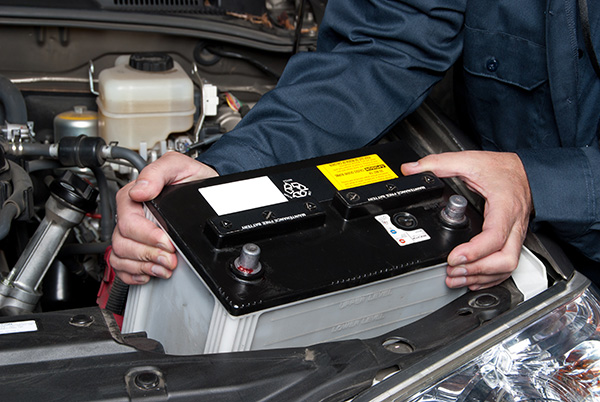
A car that starts slowly or needs a jump can make a new battery seem like the obvious next step. Sometimes the battery has reached the end of its useful life. Other times, it is discharged because something else is wrong, and replacing it only gives the vehicle a temporary supply of stored power.
Before buying another battery, check the starting and charging systems together. In Aurora, a cold morning may expose a weakness that was already present, but temperature alone does not identify the failed part. The problem pattern and a few focused tests can help identify what needs attention.
Battery Charge and Battery Health Are Different
A voltage reading is a useful starting point, but it doesn't show the full condition of a battery. A discharged battery may still be serviceable after proper charging. A worn battery may show a reasonable resting voltage and then fail to supply enough current when the starter puts it under load.
Inspect the battery for damage and test it with the correct type and rating. If it is too discharged for a reliable result, charging and retesting may be necessary. A leaking, swollen, or otherwise damaged battery needs special attention; don't treat it as a routine jump-start situation.
Battery Cables and Ground Connections Need Testing
Corrosion or a loose connection can restrict current even when the battery itself is healthy. The trouble may be visible at a terminal, or it may be inside a cable or at an engine ground connection. Lights and accessories can still work because they need far less current than the starter does.
A voltage-drop test checks how much voltage is lost across a connection or cable while the circuit is working. That is more useful than assuming a clean-looking cable is good. Excessive resistance can cause slow cranking and heat, so inspect the battery terminals, positive cable, and ground path before replacing parts.
Charging System Performance Should Match the Vehicle
Once the engine starts, the alternator and charging controls must replace the energy used during starting and support electrical loads. A belt problem, wiring fault, weak alternator, or control issue can leave the battery undercharged. Installing a new battery does not correct a charging system that cannot support it.
Modern charging systems can deliberately vary output, so one voltage reading at idle is not enough to condemn the alternator. Testing may include output under load, charging commands, battery-sensor information, and excessive electrical ripple. The readings should be compared with the vehicle’s requirements and the conditions present when the complaint occurs.
Starter Operation Can Mimic a Weak Battery
A worn starter may draw excessive current or fail to turn the engine consistently. A starter-control problem may produce a click or no response at all. These symptoms overlap with battery and cable faults, so treat the sound of a failed start as a clue rather than a parts recommendation.
We want to know whether the engine turns slowly, not at all, or normally without starting. A normally cranking engine that will not run may have a fuel, ignition, security, or engine-control concern. Repeatedly replacing batteries in that situation leaves the actual starting problem unresolved.
Overnight Battery Drain Requires a Different Check
If the vehicle starts after charging but needs another jump the next morning, an electrical draw may continue after shutdown. Some current use is normal because security systems and control modules remain active. The concern is a draw that stays above the vehicle’s expected level after its systems have entered their normal sleep state.
Checking that draw takes time and care. Opening a door or using a key can wake modules and change the reading. An accessory, lamp, or module that stays awake may be responsible, but isolate the circuit before blaming an item. You should also confirm the battery’s ability to hold a charge.
Battery Replacement Still Has Vehicle Requirements
Driving habits can explain recurring low charge even when the hardware passes testing. Frequent short trips, long parking periods, and heavy accessory use can remove more energy than the vehicle replaces. A charging or maintenance plan can help, but it should use equipment suitable for the installed battery.
If you need a replacement, the battery must match the required size, capacity, and technology. Some vehicles need battery registration or a reset of their charging-management system after installation. Keeping the correct battery and completing the required procedure helps the charging controls work with the new component as intended.
Get Battery and Charging Tests in Aurora, CO, With Aurora AutoPros
If starting has become unreliable, bring the vehicle to Aurora AutoPros in Aurora, CO, along with details about recent jumps, charging, and overnight parking. We can check battery condition, cable performance, starter operation, and charging-system behavior to help determine why the problem is occurring before recommending replacement.
Contact us to schedule a battery and starting-system inspection.